A draft strategic design research framework exploring how fashion retailers could build more meaningful customer relationships. Research question: How might clienteling help customers feel recognized, supported, and in control? This is a proposed research framework; fieldwork and findings are not yet available.
Opportunity / Space for a more personal experienceIllustrative reference · Unsplash
02 / The opportunity
Beyond another recommendation.
Personalization can begin with a conversation about a person’s needs, rather than a prediction based only on purchases. The design challenge is to make that attention useful and welcome across both physical and digital touchpoints.
Service / Thoughtful appointment preparationAI-generated concept imagery
03 / Research plan
Listen to both sides of the counter.
Proposed methods include customer interviews, retail associate interviews, a shopping journey map, and a review of existing clienteling touchpoints. Questions would explore when assistance feels helpful, when follow-up feels intrusive, and what customers want a brand to remember.
Research / Gathering perspectivesAI-generated concept imagery
04 / Working hypotheses
Recognition requires permission.
Three hypotheses to test: customers may value continuity with an associate; they may prefer advice tied to a specific occasion; and they may want clear control over saved preferences. These are questions for research, not established customer insights or findings.
Customer perspective / Personal styleAI-generated concept imagery
05 / Concept & strategy
A relationship-led shopping journey.
A proposed service combines an optional preference conversation, appointment preparation, a small curated selection, and a consent-based follow-up. Associates would have space to add relevant context, while customers could review, change, or remove what is remembered.
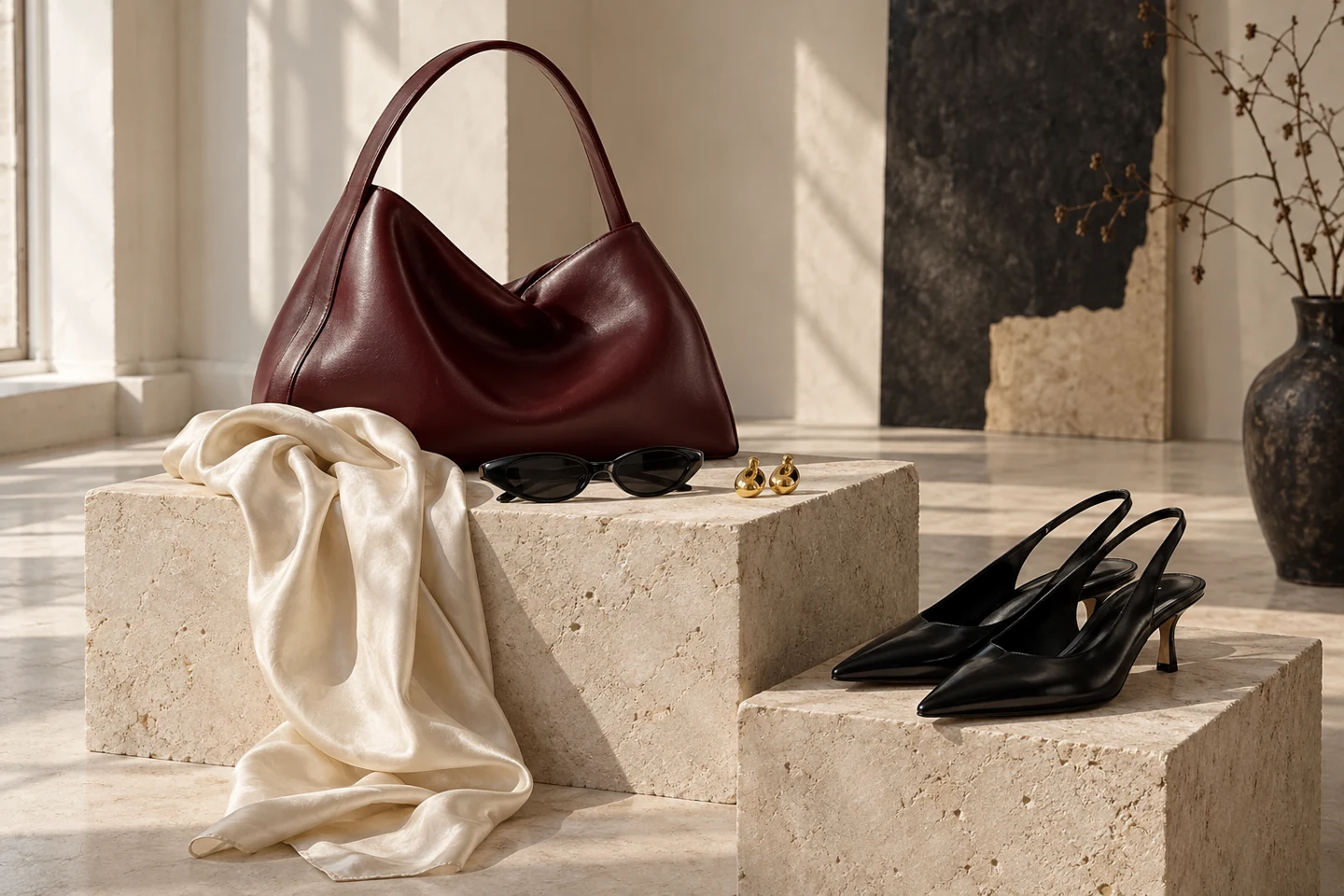
Concept / A considered personal selectionAI-generated concept imagery
06 / Visual & service development
Design the conversation.
Future development could include a customer journey map, an appointment brief, a preference-control screen, and a prototype follow-up message. The visual references illustrate an approachable fashion context; they are not completed service prototypes.
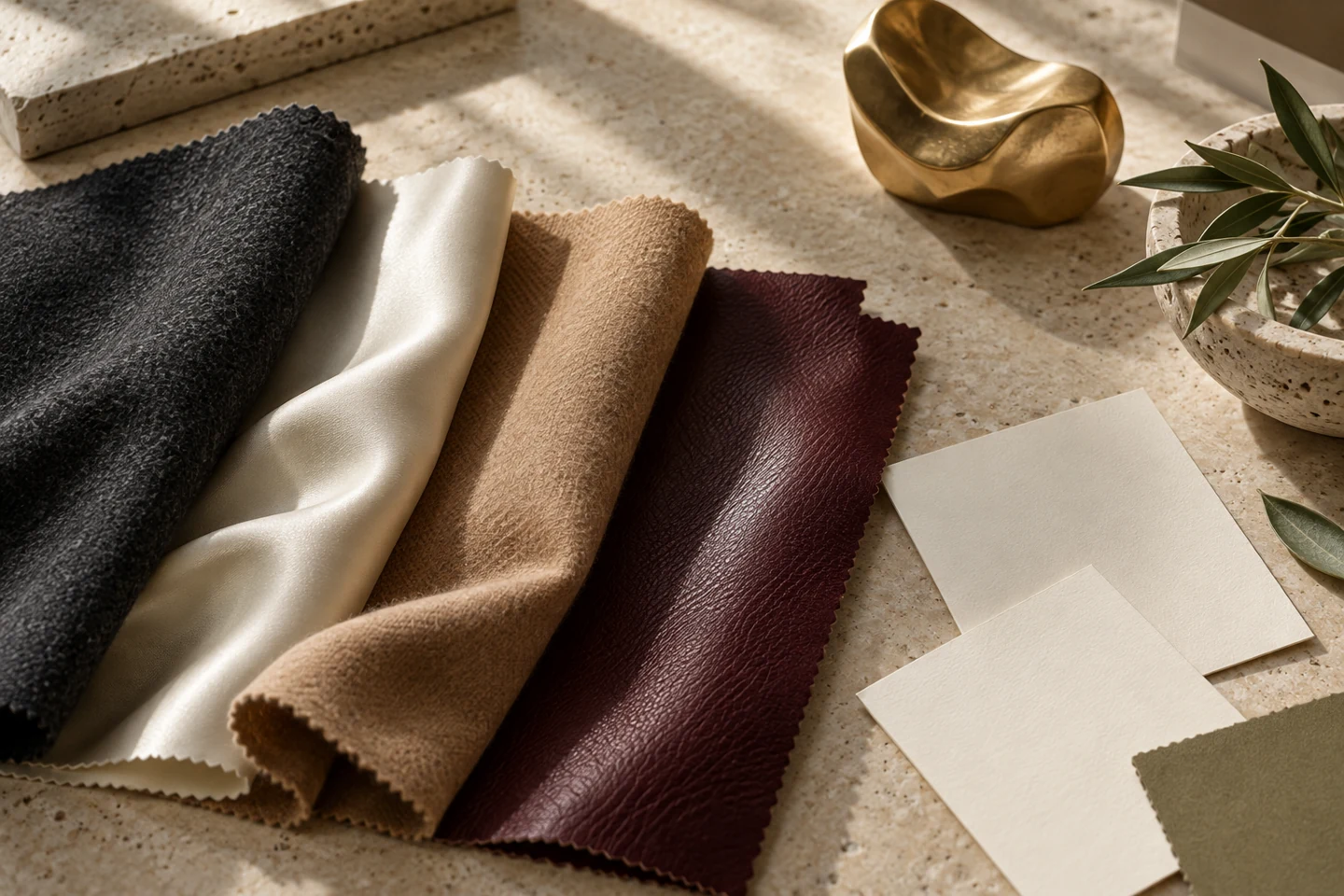
Development / Tactile preferencesAI-generated concept imagery
07 / Evaluation & learnings
Test the relationship, not just the sale.
A prototype study could assess perceived helpfulness, comfort with data use, ease of changing preferences, and interest in returning to the same associate. No research results or business impact are claimed. The next stage would replace these working hypotheses with evidence from participants.